
Influencing User Behavior
This is a big one. It is the key into why you are or aren’t being successful. How do you motivate or influence customer buying behavior? It has to do with how they interact with your brand or product.
User Experience Design

This is where user experience design comes in and WHY it is so important! A large part of the customer experience as it applies to your site is how they are navigating it. If you are blindly climbing a mountain and you never see a sign for a path, you are never going to find it and take it. You might even get frustrated and go home.
The job of your website is to present to the viewer a problem that they relate to, introduce them to your product, and highlight all the wonderful things it will do to solve that problem that they have. Maybe even a few that they didn’t know they had. If you are just pointing out a problem and not providing an easy “Lets solve that problem” button, they will not be streamlined into the buying process. If you never say “Hey! This is how this thing will solve this pain point,” they will not see the point of buying your product. Good website design will do this so subtly that the customer will be receiving email confirmation of their purchase before they even realize what hit them!
The Role of Website Design
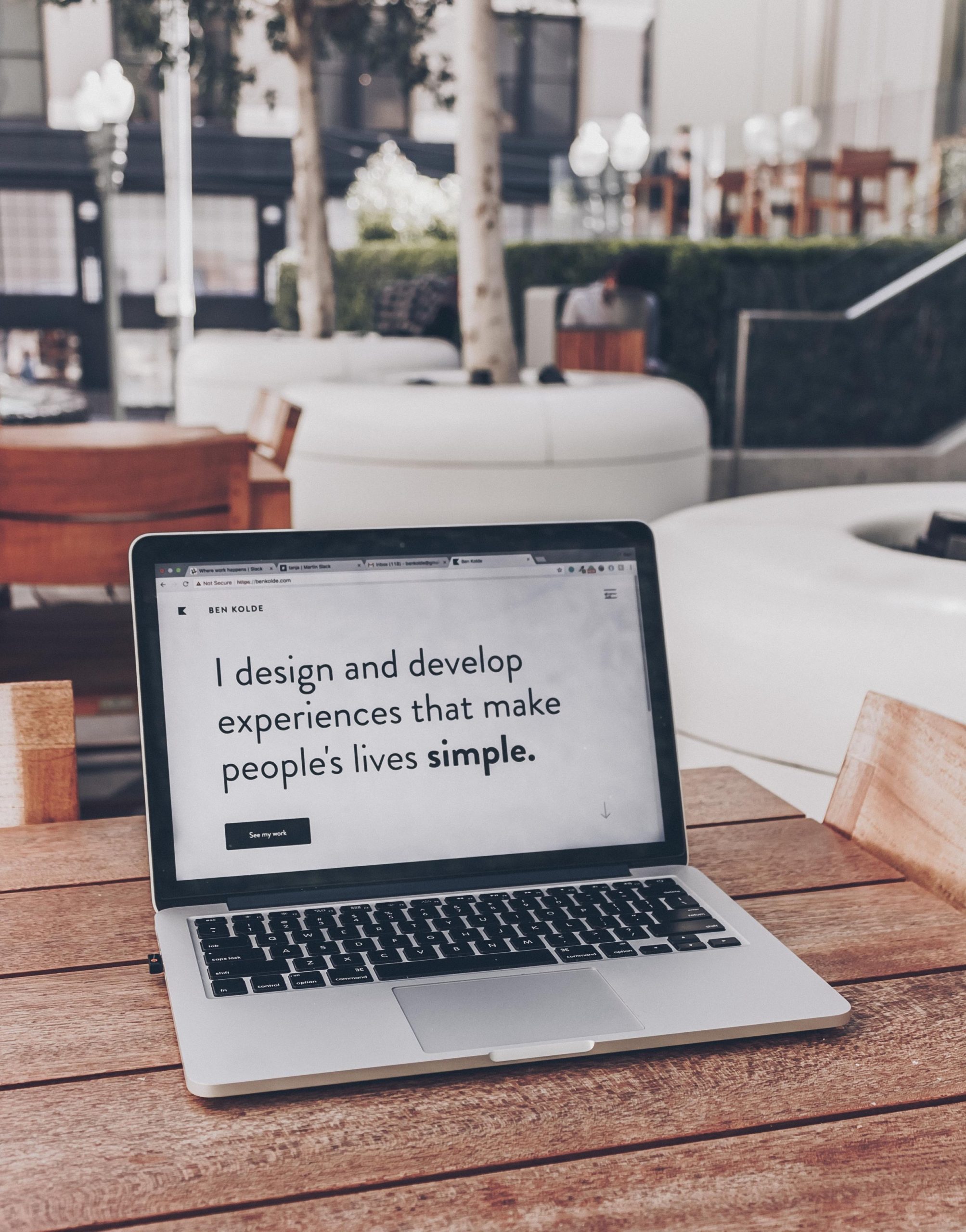
The natural flow through your site, the choice of words, the mood of the photography that tells the story of your product and your customers; it all is vital to your site! Each of these has a crucial job in influencing the user behavior. Everything should be helping the customer to invest themselves into your product, believing you hold the answer, and creating the “I need this now!” attitude. If its not…you’re not there yet. You aren’t harnessing the full power of your website.
Always have a call to action and an offer to solve that problem quickly followed by a button to get them started.
Question: What is a website you aren’t allowed to visit anymore because you can’t stop buying from them? Take a closer look. Why is that??
Science of Behavior
What makes a behavior? A behavior is born out of three parts: Motivation, Ability, and a Prompt. Each can be varied based on how motivated your buyer typically is, and the intricacy of the path to their purchase. Is there a difficult road ahead or a a “smooth sailing” option? Are they a high or low motivated person?
Create motivation for a person wanting the product.
“This will solve your back pain forever!”
“You will have a brighter smile in less than a week!”
“The most comfortable bra, you will forget you are wearing it” (Yeah right!)
Then the ability of how easy it is to get started.
“Easy to sign up, just need an email”
“One-click ordering”
“30 Day Trial”
Next, prompt them to make a move.
“Enter your email to get started today!”
“Start making healthier choices by signing up for our newsletter!”
“Subscribe and save!”
Depending on your ideal customer and what you are selling, your prompts and selling points will need to be adjusted. Will you need a more enticing prompt to call them to action? Maybe.
So what do you need in order to influence the buying behavior?
1. Create Consistency
People love predictability. They want to feel like they have an inkling on what is coming next and have that sense of everything fitting nicely together or clicking into place. It’s like creating that feeling that you get when you plug in your USB the right direction on the first try. “YES!” Don’t give them a chance to second-guess or get side tracked. Consistency provides a sense of trust, and familiarity. The very idea of UX/UI design is that you are creating a space that people enter into already understanding how it functions.
2. Offer a “Happy Medium”
People love to be given the option to customize and pick for themselves. They also love a package deal and a bit of a discount. What meets all of these points: Packaged services! Always offer 3 options.
A) Small, Medium, Large
B) Silver, Gold, Platinum
C) Beginner, Advanced, Elite
Generally speaking, they will always pick the happy medium. The place where they feel they are investing enough but not going overboard. They are getting what fits them; it’s not too big for their feet, but they can grow! And finally, it’s as noncommittal and low risk as a buying situation can feel.
3. Create a feeling of urgency
I’ll bet you know exactly what I’m talking about…
“Only 3 left!”
“Offer ends in 72 hours”
“Promo code for the next week is…”
If you feel pressured into making a decision because you can see the door closing on an opportunity, you will probably make that leap sooner than if you had time to stop and thing “Hey wait…I don’t actually need a 5 piece set of bar-b-q tools. I only wanted a spatula!” When you see that deal, that offer, you are immediately triggered into that “WOW! What a deal!” mentality. They will buy what you are selling because they want the scarcity, and they want that deal.
Getting Started?
When influencing your visitor to buy, it’s important to avoid offering extremes. Make it WAY too easy for them to try it out only to be sucked in. No long term contracts or super elaborate sign ups. You might even make that happy medium choice more inviting by labeling it as “Buyers Favorite.” Mention how it has all the bells and whistles that the smaller option doesn’t without the price tag of the bigger.
In order to streamline these all into a nice functional website, the design has to be on point. It has to be inviting and intuitive. If you have the feeling your website isn’t doing its job, it might be worth it to take a step back and get some professional feedback. Even some feedback from your customers!
Elevate your digital journey with transformative UX Design for your website.
Connect with us today to discuss your project, and let’s embark on a journey to enhance your online presence together.
Drop us a line: he***@*******gn.com or call (916) 581-1777
A Discussion On Color (Part 1)

If you’re a local, you know we got a LOT of rain this winter!
What we designers love about the rain is that it comes with a great rainbow. So thats what we decided to discuss in this journal.
When people approach colors, they always gravitate to their favorites or to the one that speaks to them.
Important Note: Customers do the exact same thing.
We encounter colors all the time.
Out shopping you pick between the different colors of makeup or mugs. Maybe a certain pair of shoes you will request in a different color. Car shopping, clothes shopping, even food shopping! (Is an orange supposed to look this dark…?) Not just that though. Have you ever gone into a restaurant or a business and immediately felt as ease? Or maybe the opposite?
Next question: Did you look at the walls?
Many consumers don’t know this, but there is an entire psychology behind colors and the emotions they evoke. There is a good reason why so many social media sites use blue in their designs. It is trustworthy and professional. Color usage effects not just a logo, but the rest of the branding as well. We are talking poster designs, packaging, headers, and more.
For now we are going to stick to logos…branding will be the next part.
Is your goal to light a fire under the viewer, or are you trying to help them feel relaxed? That might be the decision between red and green. Even genders come into play with color. Did you know that men are more drawn to bold colors while women are happiest with softer tones?
What are the benefits of color usage in a brand?
Simple: memorability. Studies show that color increases brand recognition by 80%! Not only this but it might help pick you out of the crowd and make you more desirable to some.
Is there a brand out there that you associate with a certain color? I’m gonna challenge myself just for fun. See what you come up with!
Red – Coca Cola
Blue – Facebook
Green – H&R Block
Yellow – McDonalds
Orange – Nickelodeon
Purple – Hallmark
Black – Nike
To jump ahead slightly: Color also helps add depth to your brand. If you are a company who’s goal is to help inspire kids to be more creative, you might want to consider orange. But if you are a whole foods company focusing on organic and natural ingredients: Green all the way!! The message is coded in – in the CMYK! We recommend having a selected color palette built when the logo is developed. From there, the branding can naturally evolve into something amazing!

ROYGBIV
Let’s get to it!
Keep in mind that the meanings and feelings brought on by colors often overlap and contradict. It is all in the execution of the usage. This is why its important to consult a designer near you 😉
Red
This is a color of passion. It can also also drive response and create action with its fiery warm tone. It communicates power, strength, and determination. There is a romantic and steamy side while also eliciting feelings of youthful playfulness.
Orange
This is a vibrant and rich color that often inspires creativity. Energetic vibes with the freshness of yellow while not straying all the way into the power of red. In this way, it is truly the color of change – positive change. It is balanced, often being associated with wealth, success, and high society. Orange can be incredibly vivid while also being soft and natural.
Yellow
She is the happiest of all the rainbow. The color of the sun itself, spreading positivity and optimism. It can be very warm, it is good to use for relationships and friendship. Feels clear and light. But beware, this color can also feel confusing and overbearing. It can catch the eye but then might not let you go again. People can find this color to be chaotic and annoying.
Green
Fresh, organic, natural, growth…all words that align themselves with this royal and rich color. Green has been rightly claimed by the natural world, giving the feeling of wholesome energy and fertility. Like yellow, there is a darkness that can make you feel jealous, sickly, and envious. But when used correctly, this is an honest and gorgeous color. Green has been used to stimulate hunger, sooth emotions, and make one feel strong and inspired. Green is a very well rounded color.
Blue
This is probably the most social color, stirring feelings of interaction and relaxation. Blue historically makes viewers feel serene and peaceful while also inspiring creativity and authority. It is also a cold color if you’re not careful. Trustworthiness won’t be lost is you chose to use blue.
Purple
Probably the most royal out of all the colors. This is historically rooted because purple was a notoriously hard pigment to obtain. Purple is dignified, powerful, and mysterious. Also closely associated to magic and fantasy. It is firmly etherial and powerful. Rich and regal, perfect for any brand wishing to become prominent in the eyes of the consumer.
White
Historically paired with purity and innocence, white is an excellent color to communicate serenity and goodness. It is a color of light and positivity. Probably best to be used with minimalist and simple branding.
Black
It goes without saying that this is a color of darkness. If purple was mysterious, this color is doubly so. Black isn’t always negative, but you have to be cautious when incorporating it. Black is strong and elegant, power and elusive. It is moody to be sure.
Grey
Practical and timeless, it is a good halfway neutral color. It makes people feel comfortable and safe while being strong and stable. Be aware that it may appear moody and hopeless
Question Time!!
- What do you think of this photo?
- What story does it tell you?
- Any juxtapositions that you are feeling?
- What kind of ad could this be used for?

Wow, that was a lot to read through…
So what are we trying to tell you here? Color matters in design work. No matter what color you pick for your brand, it will stand out better than if it was just in black and white (That being said, your design needs to look good in black and white regardless). Color can be endlessly useful, but it must be used wisely.
In the next part, we will be discussing the importance of color in branding as well as in marketing. That will be a deeper dive into the use of color now that you get the psychology behind colors themselves.
Build your brand, generate revenue, grow your customers.
Contact us through the following
Email us: he***@*******gn.com or call (916) 581-1777
Goal Setting 101
Action Steps For Growing Your Business
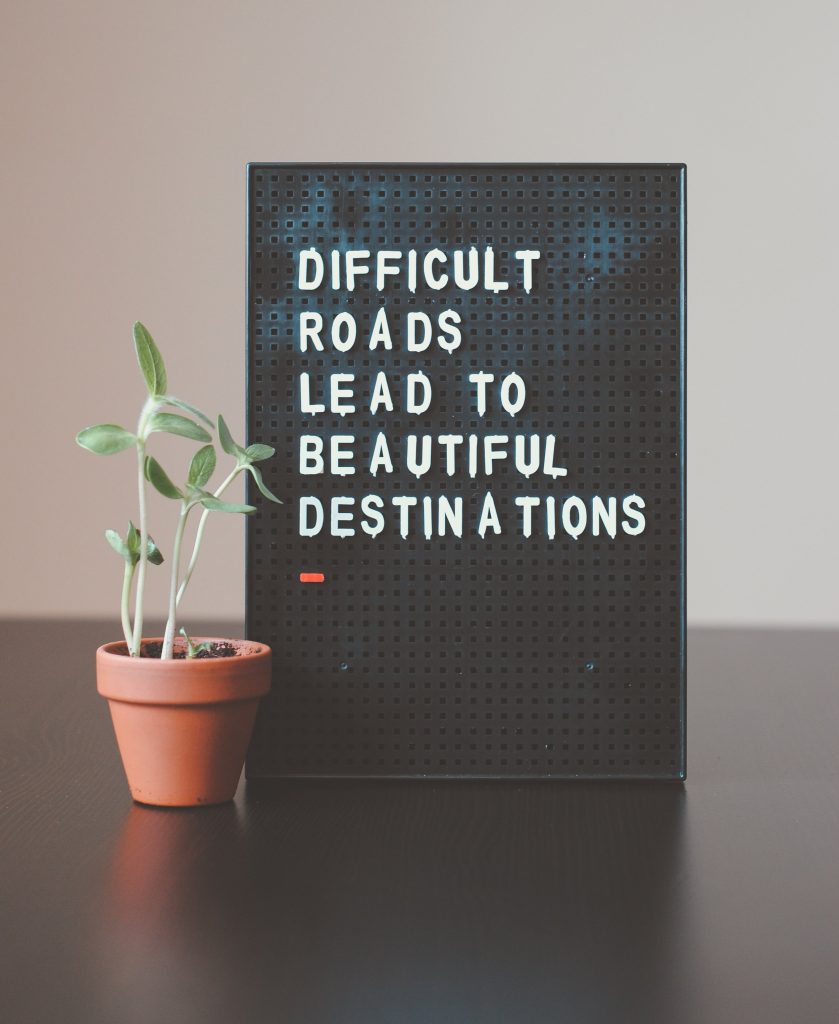
IT’S SAFE TO SAY THAT IF YOU OWN A BUSINESS, YOU ARE PROBABLY LOOKING TO GROW AND EXPAND. WHILE IT IS A LONG PROCESS, THERE ARE A FEW DIFFERENT TACTICS YOU CAN USE TO MAKE SURE YOU ARE HEADING IN THE RIGHT DIRECTION.
There are a few areas in which a business needs to grow, not just in their pocketbook. The three sides of this triangle are financial growth, customer related growth, and brand awareness.
1. Write it down
And I don’t mean a note in your phone or on your computer. Writing goals down on a paper has been scientifically proven to help chances of these goals being remembered. Writing down just a brief statement is a good start. But ultimately, it is a good exercise to really buckle down and define what, when, how, and most importantly why.
Important note for this step: Don’t just write “I hope to double my customer base in six months.” write this instead: “I have over doubled my customer base in six months.” It literally rewires your brain. In Brian Tracy’s book, No Excuses, he talks about how writing out your goals in this voice actually changes your mental state from “I wish this was me” to “This is the person I am” and you start acting like the kind of person you need to be to attain the goal.
2. Define your Purpose
If you don’t define the why, then you have a goal with no purpose and no backbone. You need a good strong reason for doing what you are doing. The emotional driving force behind it, if you will. The “why” helps focus you and also ensures that you will be able to see your first step, and then those subsequent steps. Defining purpose helps keep that fire lit in your soul. Keep your eyes on the prize!
3. Game Plan
It is always good practice to expand on the details of your plan. Once you know why you are doing it, planning steps helps to flesh it out in your mind. It is important to note that the mind is a powerful thing, and the power of seeing something written out, writing it out, and reading it every day is monumental. Describing the process and journey to this goal only makes it that much more attainable in your mind. Being able to think the process out and notate small milestones to reference also helps you track progress and not get lost in the sea of self-doubt.
4. Keep Tabs on Progress
Like a stairway, a goal has many action steps involved. It is a series of initiatives. In order to grow your customer base, what are you doing? Signing up for a service to help organize email blasts, incorporating an email collection point on your website, marketing campaigns and tactics to target new customers and create repeat customers…
For each point along the journey, there is a smaller task that you can check off. It’s important to pat yourself on the back, but never forget to use those small successful moments to keep charging forward.
It is also important to note that there will always be stumbling blocks. Something will take a little longer than you’d like, or you have to wait on production, or there was a delay in this other thing… Never get too fixated on these negative things. Keep pushing onward. Success is not for the faint of heart. It’s the journey, not the destination.
5. Delegate
Remember that it might be your company, but there are many men on your ship. Progress doesn’t happen because the captain is up helping unfurl the sails. Don’t be afraid to delegate. You hired these folks for a reason, let them shine. This gives you time to focus on future goals, planning, and contingency planning. You don’t need to fret over the small stuff when you have bigger things to do!
It’s hard when you came from having your own nose on the grindstone. Sometimes you have the feeling that you can do it faster or better, but that will get you nowhere. Boost your teams morale, keep it positive. Let them know they are valued. Growth is a team sport, so kick some tasks to your team and the pace will undoubtedly pick up. If needed, take some extra time to nurture and mentor your team so that you can all be more efficient and feel more satisfied with your work.
6. Track and Reassess
It’s scary to check in and see where you’re at, but it’s important to know when the process is working and when it’s not. Don’t be afraid to stop and reassess. Follow your gut and make sure to keep positive and trust the advice of your team of experts. Make sure to check in with your team and see whats is working and whats not.
Keep in mind that the road of success has many twists and turns. There will be moments where you have to rework and change direction, but just like Walt Disney said, “Keep Moving Forward.”

When it comes to goal setting, what do you struggle with the most?
Do you set specific goals or generalized goals?
What methods do you use to stay on track?
If you are looking to expand your business by reaching more customers or growing your brand, keep us in mind.
There are experts at your beck and call:
Email us: he***@*******gn.com or call (916) 581-1777
Advanced Website Building Techniques
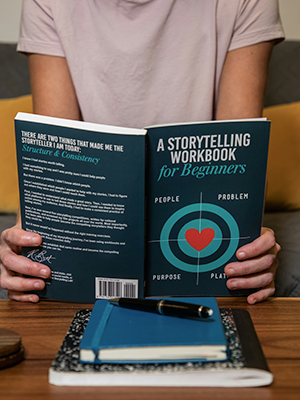
The Key to Success – Storytelling
You may already have a website for your business. Or perhaps you‘re here because you‘re in the planning stages and need some extra tips? Either way, this is something everyone should consider when building a site for their business.
We all have visited websites that just seem….blah! There’s nothing particularly wrong with them per se; they may have nice photography, the site is fairly straightforward, and somewhat visually interesting. So why do they feel so cold, uninviting and make you want to jump off?
Let’s face it, most people are drawn toward stories. Back in the early days, storytellers were renowned because that was how you learned things outside of your realm of life. They were the early “walking dictionaries”, wise men, and newspapers. This was information and connection. We are still very basic in the sense that we all connect with a good story. On the deepest level, we are searching to find a commonality and see ourselves in a narrative. Why align with this person? Are they a single mom, too? Are they also from a small town in California? Did they graduate from the same college? We are less likely to align if we fail to connect and relate.

So what can you do to connect your business and your product? You want to skyrocket sales not win a Pulitzer Prize after all…
How do you tell a story which people can hold on to that resonates long and hard? There are several different ways.
1. Visual Storytelling – This is a very basic way of getting a feeling or mood across. They fill in the blanks but you guide them along the path with very little help. There are parallax scrolling websites that have full photos with minimal type to just communicate the basics: “Came from here, going to there…” This is effective because people are very drawn to stunning photography. Visuals appeal to all ages especially with the need to “wow” them quick. While you should always include photography with any option, this is one area that should be planned out accordingly in order to guide the narrative along.
2. Origin Story – Many companies have a blurb (sometimes short, sometimes long) about the founders story. Who decided to start brewing? Who wanted quality working jeans? People are inspired by struggle, overcoming, and ultimately success. Don’t be afraid to share the struggle to the top! Vulnerability is a huge stepping stone to connection, and it’s one that really resonates with audiences.
3. Pick A Side / Join A Struggle – Another way to do this is to parallel yourself and champion a cause. Similar to Nike’s techniques. While some suggest it’s a super risky move to make a statement which might have social or political backlash, if that is part of your story it will speak to people. It may thin out the herd of potential customers or clients, however you may win clients for life in the process. Your story might be one of supporting a team or a person in the spotlight. Brands have been doing this for so long, (Desi and Lucy drank Instant Sanka!) and that’s because it works!
The important thing to remember when telling a story is that you don’t need a beginning, middle, and end. When selling a potential client, you are showing them the beginning. There may not be much to it, but that’s okay. They want to know, all the same. If there’s not much else to say, utilize a lot of relevant photography. If you have a lot to say, make sure to use typographic hierarchy to make sure they see the important parts and draw them in. If you are aligning yourself with a cause, remember to be open. Support is key. Don’t use tear-down tactics.
QUICK EXERCISE FOR YOU!
- When you see the photo below, what kind of story do you get?
- What questions do you have?
- What might be sold?
- Why is it more effective in black and white vs. color?

Always consider the mood you are creating and how to be the most abstract when using photography. You don’t need a photo of your product (you’re trying to create a narrative). Maybe show your ideal client before they find your product?
Key components of brand storytelling
When considering your brand story, use these as a guide:
- What is the reason your company came to exist?
- What motivates you, and your team to show up to work each day?
- How can you give your audience an inside look at your company?
People will always remember a good story. A great story – one which personifies your brand – should be the goal in order to position your company most effectively in the marketplace.
Why?
Because brand storytelling is the best way to distinguish yourself from the other brands in your industry. The more you can pull back the curtain and allow your audience to see inside your company, the better. It humanizes your brand. It’s what helps you to connect with your audience, appeal to their emotions and touch the hearts of your customers.
Let us help tell your story!
If you are curious where to go next on your site building journey, or feel stuck, just reach out! We‘re ready to help with your next steps.
Email us: he***@*******gn.com or call (916) 581-1777
Happy storytelling!
Branding 101
Branding 101: Brand vs. Company
While often intertwined, a brand is distinctly different from a company. Think of a company as the engine and a brand as the sleek, polished car that catches everyone’s attention. The company is the entity—the people, processes, and operations. The brand, on the other hand, is the carefully crafted identity that represents the company’s products or services to the public.
Consider this: a parent company like Procter & Gamble owns a wide array of branded products, or a company like FedEx offers multiple branded services. A company has CEOs and accountants; a brand has a color palette, a voice, and a photography style. While the actions of the company drive the brand, a strong brand is essential for building trust, growing a business, and connecting with customers. Success lies in creating a brand that authentically reflects your company’s mission and values.
Why a Brand Matters
A strong brand is the cornerstone of business growth. It builds loyalty, recognition, and emotional connections with your audience. The experiences people have with your brand and the stories they hear about it will influence their buying decisions. When your brand is recognizable and consistent, it elicits trust and encourages repeat business.
Imagine you’re in a grocery store choosing between two beverages: Coca-Cola or an unmarked soda. Which would you choose? Chances are, you’ll grab the Coca-Cola, not because it’s the only option, but because its branding has earned your trust over time.
Good Branding vs. Poor Branding
Good branding is an investment. It’s backed by research, strategy, and creativity. Expert designers and branding firms analyze market trends, study competitors, and dive deep into your ideal customer’s profile. The result? A cohesive brand system tailored to set you apart in a crowded marketplace.
On the other hand, poor branding—such as cheap, generic logos or inconsistent visuals—can harm your credibility. In some cases, bad design is worse than no design at all. A thoughtfully crafted brand identity communicates your company’s mission and sets expectations for the quality of your products or services. Consider Apple: its brand has evolved minimally over the years, maintaining a reputation for innovation, premium quality, and exceptional customer experience. That consistency keeps customers coming back, even at a premium price.
The Building Blocks of Branding
Did you know that maintaining a consistent look makes your brand four times more visible in the marketplace? Consistency is key, and it starts with understanding the components of a strong brand.
The logo is just the beginning. A professional brand identity includes a complete suite of elements: secondary logos, color palettes, typography, and usage guidelines. For example, Chipotle’s branding extends to every detail, from their napkins to their packaging. The consistent use of fonts, colors, and artwork ensures you instantly recognize their brand—even without seeing the logo.
Your brand extends to signage, packaging, promotional materials, and your website. A DIY website might look polished, but it often lacks the essence of your brand. Professional websites, by contrast, incorporate your unique fonts, colors, photography, and graphics to create a cohesive online presence that resonates with your audience.
To maintain consistency, designers create brand guidelines, often called a brand book. This document outlines everything from your logo’s usage to the precise color codes and typography for your materials. According to DesignRush, consistent branding can increase recognition by 80%. In short, a brand book isn’t just a luxury—it’s a necessity.
Standing Out in a Saturated Market
For new businesses, breaking through a crowded market can be challenging.
The key? Focus. Define your niche and tailor your message to your ideal audience. Avoid the temptation to appeal to everyone. Instead, share your unique story and highlight your values. According to industry research, narrowing your focus can boost revenue by 23% and foster loyalty with minimal effort.
Remember:
Your brand is more than a logo. It’s the promise you make to your customers. Investing in professional branding is an investment in the future of your business.
Ready to Strengthen Your Brand?
We’re here to help. Contact us at he***@*******gn.com or (916) 581-1777.
Keeping Up With The Kustomers

Is your website keeping up with your customers?
You might have an awesome website, yes. But is it delivering to the people you need to reach? A beautiful site will do nothing for you unless it is keeping up with the changes of technology, social media, and the growing expectations of modern sophisticated browsers.
It’s safe to say that nearly everyone who visits your site these days will be highly tech literate and web savvy. There are very few people who don’t know how to google these days. Not only that, but they have been exposed to all different sites and they know how a good site feels. Apple is the #1 smartphone in the marketplace, so I can guarantee you that those people have all seen Apple’s website. They know they like the feeling of visiting Apple.com but they can’t put their finger on why. That is why UX and UI designers are so important! You can’t just show a person what they want, you have to curate how they feel about it and sell it to them without actually throwing a sales pitch in their face. It might sound crazy but your website can do that.
No..it should be doing that.
What is expected from a high quality site that is keeping up with the customer curve?
Glad you asked!
1. Performance
It cannot be stressed enough: If your website takes more than 3 seconds to load, you are out! (You can actually test this with Google Analytics if you are curious). People have short attention spans and they will be quick to bounce away from your site if the landing page doesn’t load fast enough for them.
2. Content
Like real estates “Location, Location, Location” the motto of the web development world is “Content, Content, Content!” And it’s not just text based content. You need videos, links, high quality photos, and more! Content is key and it needs to keep up to date. We recommend hiring a copywriter if at all possible when it comes to your text-based content. You need to have concise wording and very clear calls to action. Yes, calls.
3. User Experience
Do you know the patterns of your customer? Knowing their journey through your site will help you to meet their expectations and then blow them away! The ability to look at your site through the eyes of the customer is invaluable. This will allow you to streamline everything to fit them.
4. Design
Of course, design is huge. You need to wrap all this awesome stuff up into a really lovely package. It can’t be ok or so-so otherwise they will head to greener pastures. Remember, they know what truly beautiful websites look like, but they don’t know WHAT it is that makes them beautiful. (Designers are seriously awesome)
5. Interactivity
Does your site currently offer any type of interactivity? Are there videos, chat boxes, surveys, downloads? This gets tricky because you don’t want to overstimulate and spam. There is a balance to providing this and remaining true to the design of the website. (Again…aren’t designers awesome?)
TLDR?
What are we telling you: Don’t just update your website every 5 years. Take a critical look. Always be looking at the competition to make sure you’re not falling behind, you’re staying well ahead. Make sure you are staying on top of the ball when it comes to your customer; they grow and change as much as your market and the weather!

Stay hip. Reach out!
WE WANT TO HELP YOU.
And if you’re not sure if this applies to you, ask us about our website audits. We would love to pop the hood on your current site and see where there is room for improvement. Let us keep you dangerously relevant.
Email us: he***@*******gn.com or call (916) 581-1777
A Blushing Year For 2019
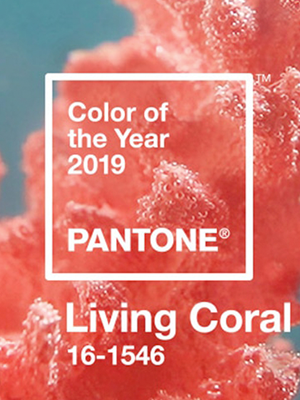
Say so long to Paisley Park and last year’s Prince inspired Ultra Violet color. We are here to share the awesome symbolism behind this year’s Pantone Color of the Year, Living Coral.
Everywhere you look and anywhere you go, screens follow. Technology has boomed and with it, we are exposed to news alerts, weather reports, status updates, tweets, pins, photos, texts… ah, the list goes on! We have slowly been desensitized. Every month we hear about trash taking over the environment and a new animal on the endangered species list. Along with the advent of tech and social media comes the feeling of isolation and less empathy…
ENTER 2019 – The goal: reconnect, nurture, and foster genuine connection. Like the delicate and complex coral reef systems of our awesome oceans, we are all in need of more kindness and playfulness. Reach out and revitalize your community. Look to the Earth to make your mark in a beautiful and sustainable way.
Did you know that coral reefs are nature’s protection from storms? In the same way, we should look to help protect our fellow neighbor and our environment we all share. In our constantly changing society, it is easy to shut down. Remember to build bridges, not walls. Let the golden warmth of Living Coral remind you to glow from the inside out with positivity. Pass on the joy this year! Happy 2019 ~
Interested in bringing some Living Coral to your brand?
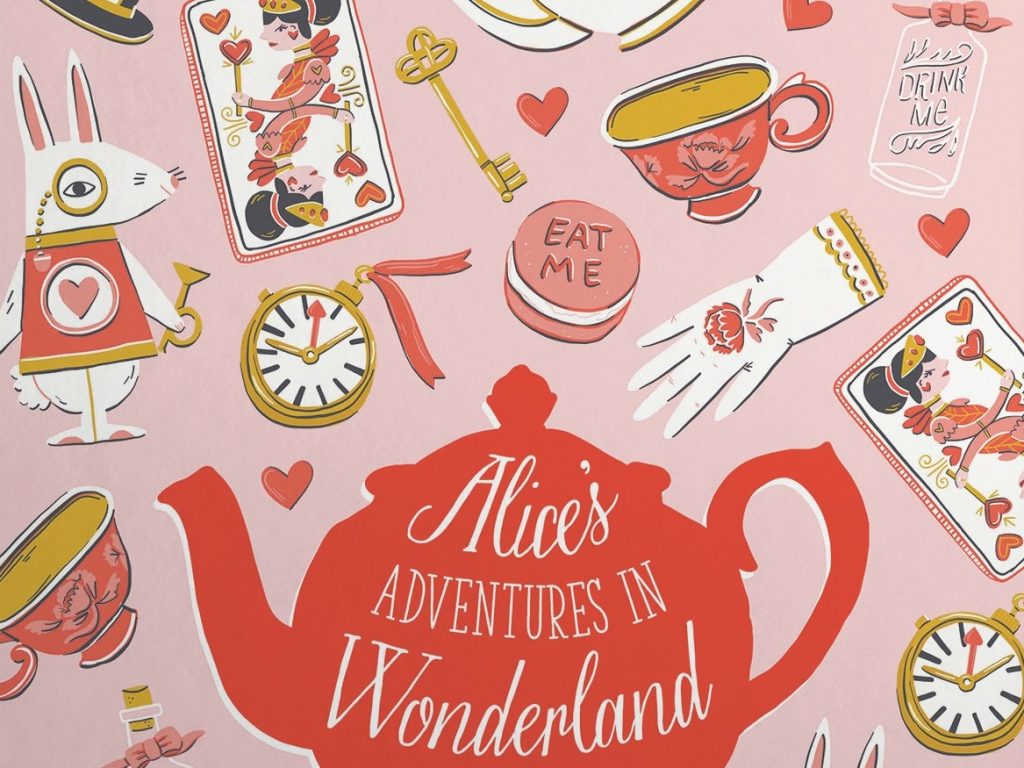
We’re ready to serve up fresh ideas and designs that will make you blush!
Email us: he***@*******gn.com or call (916) 581-1777
A 100-Year View of User Experience
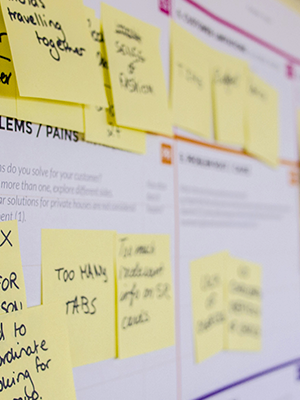
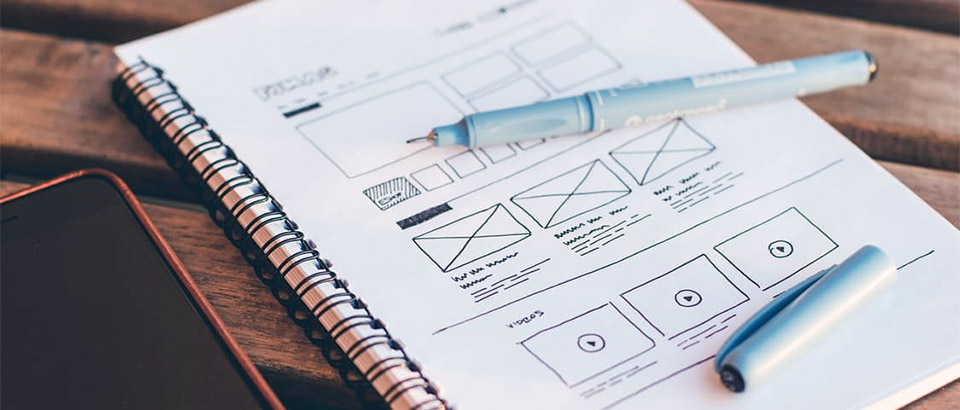
There has been quite a bit of buzz lately about User Experience (UX). The majority of people still don’t quite understand what that means, how it affects them or how important it is to the development of successful websites or quality products.
When applied to web design, it’s referred to as User Experience Design (UXD). In a nutshell, UXD is the process of enhancing user satisfaction by providing tailor-made solutions that meet their specific needs. So when websites are built around how someone will use it — rather than forcing them into a different method of interaction — this results in a much higher user satisfaction level and measures of success and enjoyment as well as how easy it is to use. What does all that mean? For starters, it results in increased time on site, more sales, and ultimately more revenue for the company. In the end, isn’t that what websites should be doing for your business?
The future of web design continues to move in this direction with the implementation of engaging characteristics built into the strategy and design of the sites. This will only continue to grow as the UX/UXD profession expands and changes in the coming years.
For the profession of UX, it has come a very long way since 1950; still even since 1990. Check out this fascinating article by the Nielsen Norman Group which discusses a long-view approach to the anticipated growth of UX.
Welcome To The New: Bauhaus Redefined
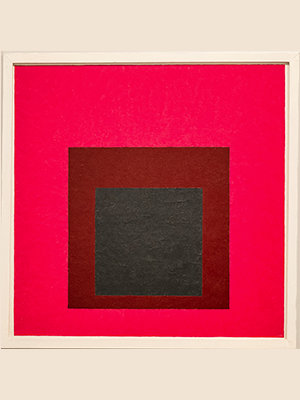
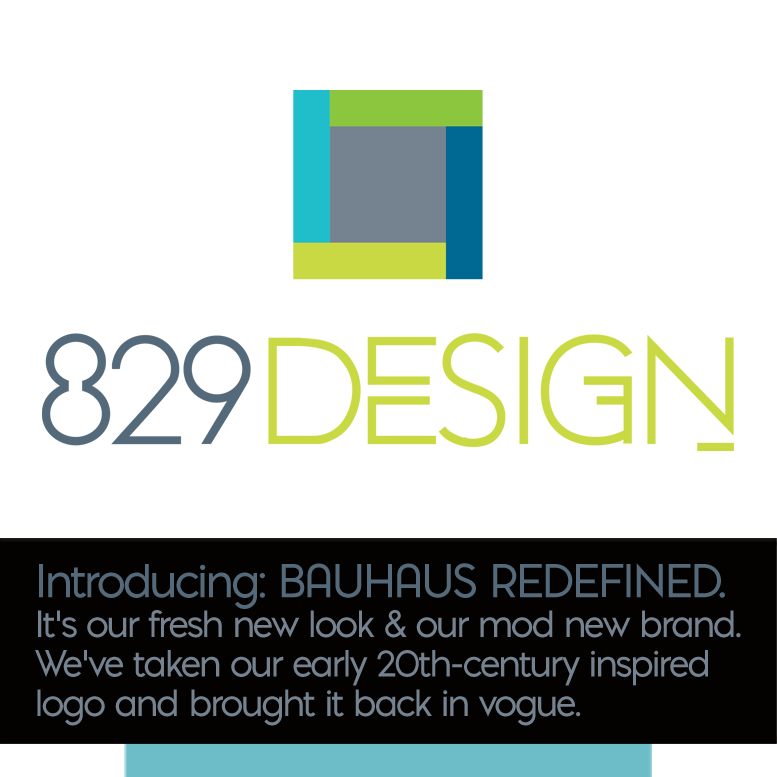
Have you noticed something different about us lately? We have been undergoing a brilliant rebrand this summer to better align our name with the scope of services we now provide. As brand specialists, what better way to illustrate this than with the transformation of our own brand.
Since the launch, we’ve been getting a lot of questions about the meaning behind the name, and curiosity about why we named it ‘Bauhaus Redefined.’ To understand this, let’s take a peek to the past for insight.
Bauhaus in Design History
Since the beginning of the 20th century, there has been no other style in design and architecture that has dramatically influenced the modern style quite like the Bauhaus movement – both in the classical modern and avant-garde styles. In fact, we can still see its resonance effectively in today’s contemporary culture, which continues to inspire artists, architects and designers around the globe to fill the Bauhaus belief of “less is more” with new life and purpose.
In 1919, the German architect Walter Gropius founded Bauhaus as a school of arts in Weimar. It turned out to become one of the most significant schools for design and architecture of all times. His concept of combining of a variety of arts – architecture, sculpture and painting – with crafts and engineering lead the way to create a visionary and utopian craft guild that would combine beauty with usefulness.
The Bauhaus existed from 1919 to 1933 and today is still considered to be the genesis of the avant-guard of classical modern style as seen in all industries where artists, architects and designers define their craft.
Bauhaus Redefined
For many of us, the Bauhaus is an ideology and a conviction, it’s wasn’t just a school of arts and architecture. Today, designers and artists alike experiment with new materials and forms to push the limits of contemporary design in our culture to create online experiences.
In modern culture, brands must become a digital experience. Consumers want to know your story behind your brand to feel connected in a world full of digital dominance. At 829 DESIGN, our vision is to convey this sphere of the Bauhaus culture from the past, which still sets trends today, in such a way to create an exceptional digital experience for our clients. Our core competencies of creating brand experiences and creating sustainable brand identities is based on many years of experience with proven strategic processes in place.
A Nod to the Past
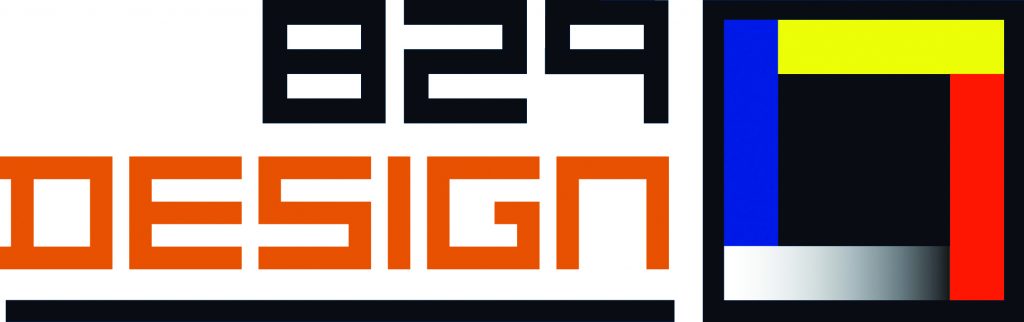
Admittedly, our old logo was outdated, a bit antiquated and obsolete when compared and contrasted to the more contemporary styles of design today. We used the traditional De Stijl font for ‘829 Design’ along with those primary colors so typically seen in many original Bauhaus creations of the early 20th century. Piet Mondrian comes to mind when you look at our old logo, even though his style was more neoplasticism in form and function.
For the love of all things Bauhaus, it was time we brought our early 20th century inspired identity back in vogue with a fresh, modern and contemporary aesthetic. We just love it!
Let us know what you think! Comments and feedback are encouraged and welcomed.
Let us help you design a fresh new identity for your business.
Design with Greenery
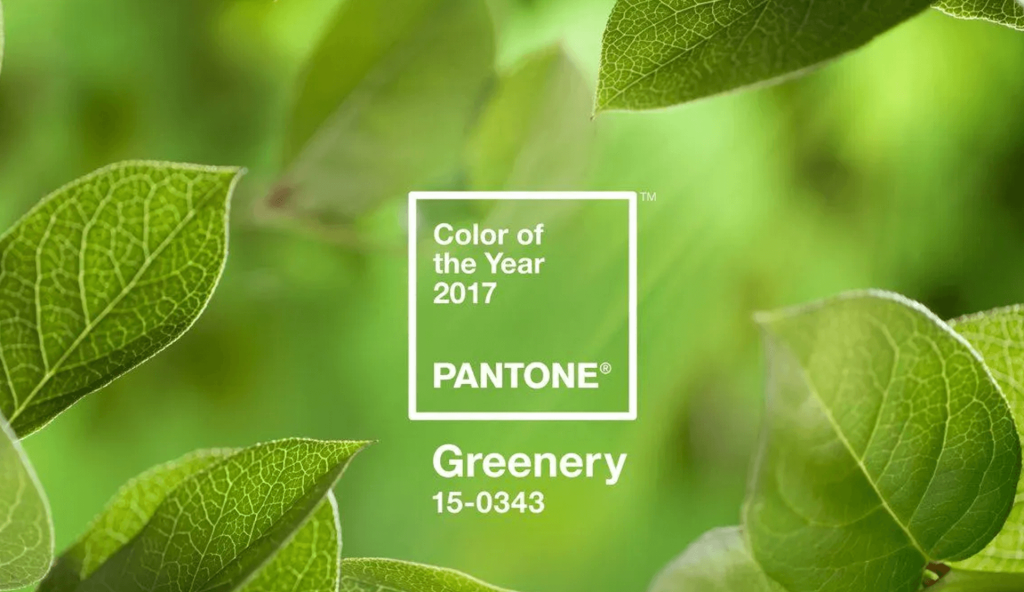
Ahh… Greenery! You can almost smell the freshness; so uplifting. It’s Pantone’s new Color of the Year for 2017. Just like the first days of Spring, Greenery is symbolic of new beginnings. It’s a fresh, bright green that evokes nature, hope and fresh beginnings.
Leatrice Eiseman, the executive director of the Pantone Color Institute, states that “greenery bursts forth in 2017 to provide us with the reassurance we yearn for amid a tumultuous social and political environment. Satisfying our growing desire to rejuvenate and revitalize, Greenery symbolizes the reconnection we seek with nature, one another and a larger purpose.” It reminds us of bamboo or green smoothies, plants in our garden and it certainly makes us cogitate on bright ideas for the new year.
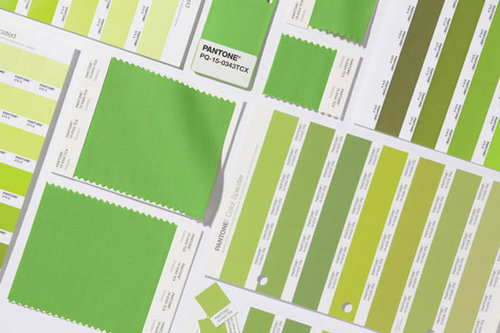
WHAT IS THE COLOR OF THE YEAR?
The Pantone Color Institute is the global authority on color. Each year, they assemble a panel of industry professionals to select a color of the year. This panel examines influencers from the design world — graphic design, textile, digital, fashion, etc. — and study what’s been happening in the arts & entertainment fields, popular travel destinations, pop culture, and socio-economic conditions. The color of the year is a choice proposed to capture the mood of our times. And for those of us who are in the design world, it’s a guide that may influence design projects of all kinds, from print to web and everything in between.
WHAT DOES THIS MEAN TO YOUR BUSINESS?
Now may be a good time to reconsider your brand colors. Whether Greenery is a choice color for your business or not, every so often, it’s a good idea to review your brand and consider a fresh approach. For example, Greenery would be a popular choice for food or spa companies. Brands that want to express strong environmental characteristics will also use colors like Greenery. On the contrary, it would be a more modern and bold choice for traditional corporate businesses — industries like financial or insurance type services — who quite often use hues of blues (say that 10x fast!). For those who work in those sectors and are looking to stand out, without losing any meaningful perceptions like trust or significance, Greenery would be a great choice for the new year.
FEELING INSPIRED?
Ready to make a fresh start and bring new life to your business? Let’s explore how we can breathe new life into your brand and create some dynamic stuff! Call us at (916) 581-1777 and let’s start a conversation.
Small Business Marketing Tools For Building Your Brand

Whether you own a catering business, a vintage clothing shop or a service business such as a spa salon, you cannot mail a simple postcard, have beautiful packaging or tweet your latest promotion and call it a day. Marketing a small business requires consistency and strategy. Your overall business and marketing—everything from your logo to website to how you advertise, and reach out on the social web—should all come together to send a consistent targeted message. This includes your choice of words, the nuances of design, layout or color schemes and basically your overall visual communications to the consumer. These are your basic ingredients for good design.
Well-planned approaches combined with proper channels of marketing will not only promote a rewarding outcome – more sales and customers – but also reinforces your brand in the eyes of the marketplace. Without this consistency, you will not get people emotionally attached to your brand and you’ll end up creating confusion in the consumer’s mind. So why is it important to create these emotional attachments to your brand? Well, just as in human relationships, brand relationships evolve over time.
Generally, these can be divided into three stages:
- Most potential customers do not know the company, product or service.
- Customers may know the name or logo of the company or product, but they don’t really catch what the company or product can do for them.
- Some customers may already know the company and what the product can do for them, but they have no emotional connection to the brand.
So take into consideration and establish which stage of relationship your business is in with regard to your consumer audience. In order to build a successful brand, you’ll want to define these three things:
- Brand personality: What are your business values, services, ideas, attitudes?
- The relationship with the consumer: Do you understand the needs and wants of your customers?
- Icons: Symbols or other illustrative representations.
Over time, with a consistent effort in your small business marketing, you will begin to build relationships with your market audience. In so doing reinforces and triggers recognition of your brand and sequentially creates customer loyalty. After all, your brand is the foundational piece in your marketing communication – a connection to a promise for your consumer. And this is something your small business does not want to be without!